Tiger Scientific Name
The scientific name of the tiger is Panthera tigris.
The word Panthera means leopard and tigris is Latin for tiger.
They are sometimes called big cats.
They belong to the Felidae family and the Mammalia class.
There are nine subspecies including Sumatran, Siberian, Bengal, South China,
Malayan, Indo-Chinese, Bali, Javan and the Caspian tiger. Unfortunately, the Bali,
Javan and Caspian species are now under extinct classification.
Tiger Appearance and Behavior
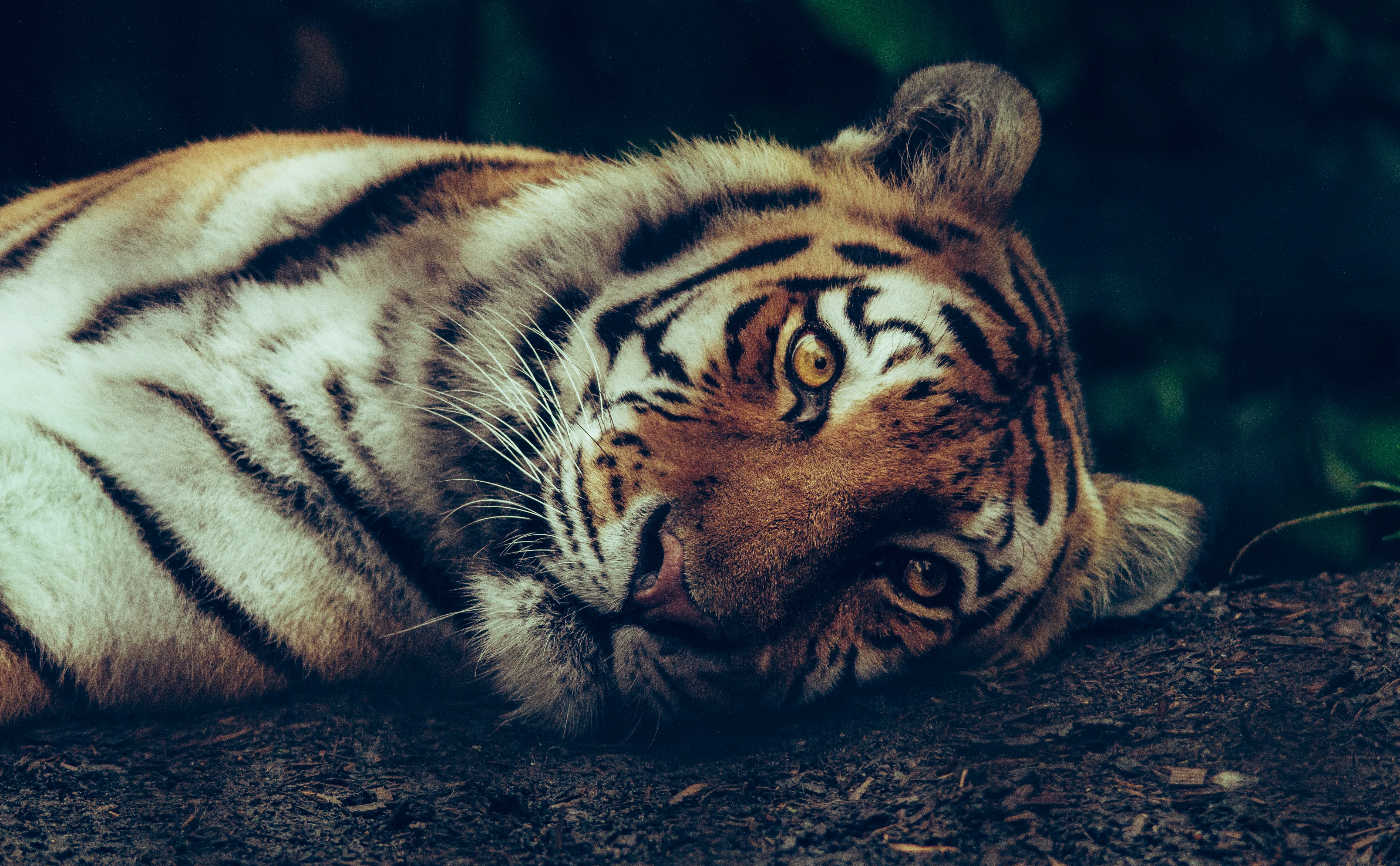
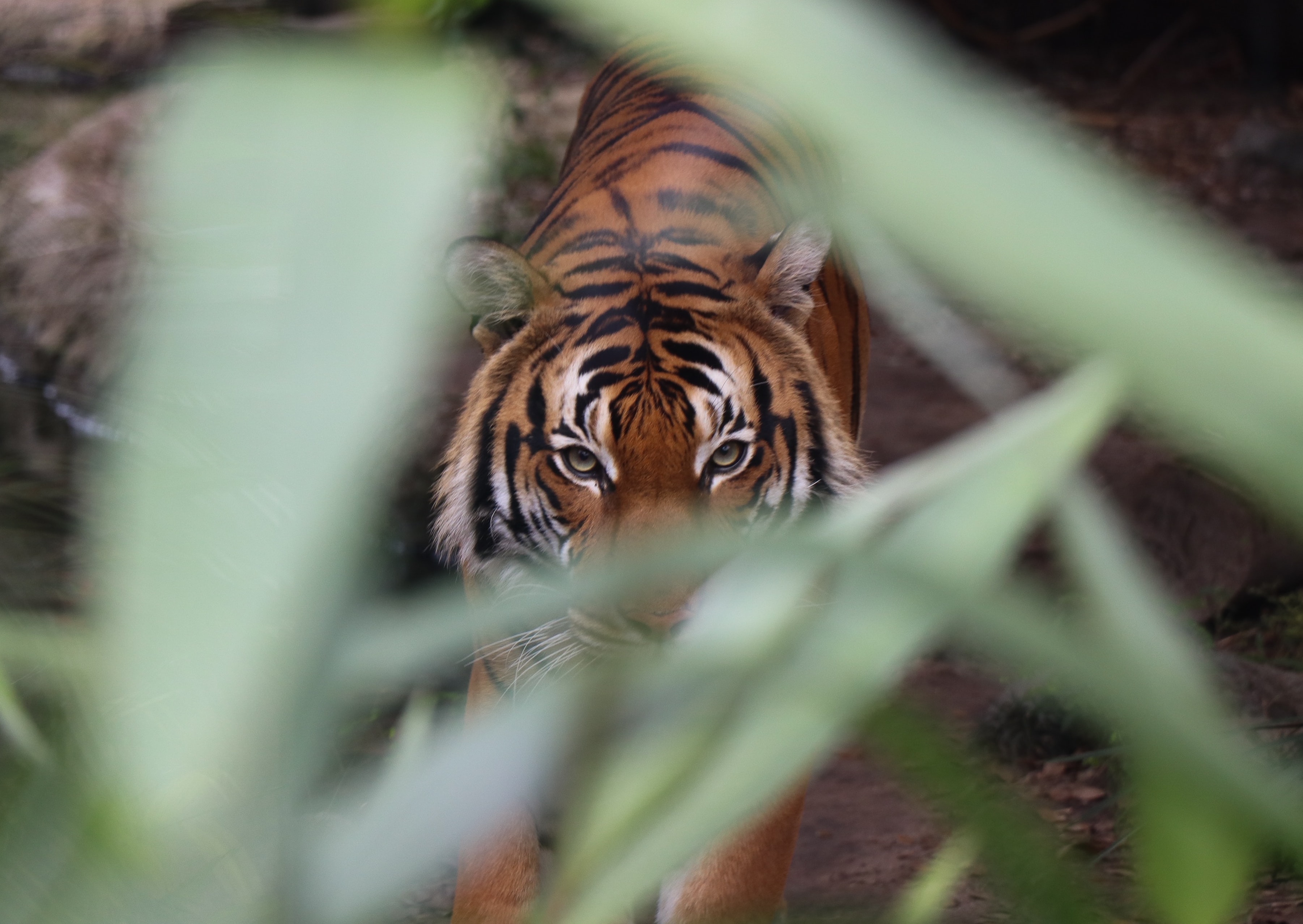
A tiger has a heavy coat of reddish-orange hair featuring a pattern of black stripes.
Each has its own pattern of stripes kind of like a human’s fingerprints. It has a long
tail as well as sharp teeth and claws. Its body measures from 5 to 10.5 feet long and
it can weigh from 240 to 660 pounds. As an example, a 6-foot tiger is equal in length
to a full-size bed. One weighing 500 pounds is half the weight of a grand piano!
This cats striped tail measures about 3 feet long. This is equal to the length of
three wooden rulers lined up end to end. It uses its tail to maintain balance when
making quick turns as it runs after prey. It uses its 4-inch claws to grab onto prey.
In addition, its paws allow it to walk quietly while stalking its next meal. Also,
they have webbed feet making them excellent swimmers if they have to cross a river,
stream or other body of water in search of prey.
Adult tigers are animals with very few predators. Humans are the main predators of
these cats. But they are also vulnerable to elephants and large buffalos due to the
extraordinary strength and size of these mammals. Their speed, claws and teeth are
all defensive features of these big cats.
These are solitary animals. The only exception is when females are raising their cubs.
On the rare occasions these big cats are seen in a group, the group is called an ambush.
These big cats try to stay out of sight of humans and other animals but can be aggressive
if their territory is invaded.

Tiger Habitat
Tigers are animals that live in South and Southeast Asia as well as the eastern part
of Russia and China. Some live in temperate climates while others live in tropical
environments. Siberian tigers live in cold climates where it snows. Their heavy fur
coat and an extra layer of fur on their paws protect them from the cold temperatures.
Also, they have an extra layer of fur around their neck that’s sometimes called a scarf.
This insulates them from the cold even more.
Tigers live in different habitats including swamps, grasslands, deciduous and mangrove forests.
The type of habitat each of the subspecies lives in depends on its species.
Malayans live in tropical broadleaf forests while Indo-Chinese tigers live in hilly,
mountainous areas. Bengals live in rainforests while the Sumatran live in lowland forests
and around swamps.
Tigers sometimes migrate short distances in order to find a larger supply of prey. Also,
they may migrate to an area with less snow and warmer temperatures in the cold weather
months.
Tiger Diet
What does a tiger eat?
Tigers are carnivores and have the ability to capture and eat large mammals.
Deer, antelope, buffalo, and wild boar are some of the prey of tigers.
They also eat monkeys, sloth bears and leopards. Tigers have even been known to eat crocodiles!
Tigers use their stalking skills, speed and quick movements to take down their prey. However, these
big cats usually eat just once per week.
They are capable of eating 75 pounds of meat in one evening.
Seventy-five pounds is equal to four adult dachshunds. Tigers have a habit of killing prey,
eating as
much as they want, then covering the rest of it with leaves so they can come back later for a snack.